Introduction
Backlinks have always been one of the most powerful ranking signals in SEO. They’re essentially “votes of confidence” from one website to another. The more high-quality websites link to you, the more authority Google believes your site has.
But link building has changed. Years ago, you could get away with mass directory submissions and spammy link exchanges. Today, it’s about quality, relevance, and authenticity. The best backlinks come from authoritative sites in your niche that genuinely recommend your content.
In this article, we’ll explore the best ways to build backlinks in 2025, explain what works, what doesn’t, and share examples so you can replicate these strategies for your own site.
Why Backlinks Are Still Crucial for SEO
According to Ahrefs, 90.63% of pages get no traffic from Google, and the main reason is a lack of backlinks. Google’s algorithm relies heavily on links to evaluate trust and authority.
A page with no backlinks may still rank for very low-competition terms, but if you want to appear in competitive searches, backlinks are essential. They don’t just improve rankings, they also drive referral traffic and expose your brand to new audiences.
As Moz explains, links remain one of the top three ranking factors. Ignoring them is like trying to win a marathon while hopping on one leg.
The Difference Between High-Quality and Low-Quality Links
Not all backlinks are created equal. A single link from a trusted site like Forbes, HubSpot, or Ahrefs can outweigh hundreds of links from low-quality blogs.
High-quality backlinks usually have these traits:
- They come from authoritative sites with strong domain ratings.
- They’re relevant to your niche and topic.
- They’re placed naturally within content.
- They drive actual referral traffic.
On the other hand, low-quality links such as spammy directories, irrelevant blog comments, or link farms hurt more than help. In fact, Google’s Penguin algorithm targets manipulative link building.
For a deeper dive, see our full guide on How to Improve Domain Authority.
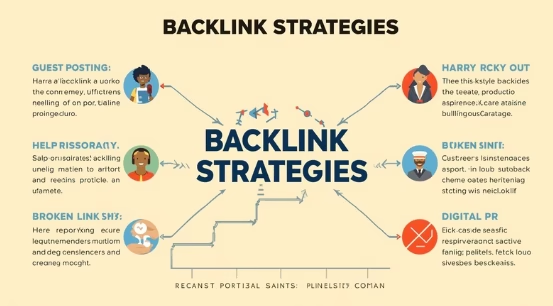
Guest Posting as a Backlink Strategy
Guest posting remains one of the most reliable backlink strategies. By writing high-quality articles for other websites in your niche, you not only earn backlinks but also reach new audiences.
For example, SEO experts often publish guest posts on blogs like Search Engine Journal or HubSpot. These backlinks carry weight because they’re editorially given and relevant.
The key is to pitch unique, valuable ideas to blogs that accept contributors. Avoid low-quality sites that publish anything for a fee, as those links have little SEO value.

Building Links with HARO (Help a Reporter Out)
HARO connects journalists with experts. By signing up as a source, you receive daily requests from reporters looking for quotes. When your response gets published, it often includes a backlink to your site.
This strategy works because media outlets like Business Insider or Forbes often use HARO. A single link from such sites can significantly boost your authority.
Consistency is key here. Respond quickly, provide valuable insights, and include your expertise in a natural way.
Broken Link Building and Resource Pages
Broken link building is an old but effective tactic. It works like this:
- Find broken links on relevant sites.
- Create or suggest a piece of content to replace it.
- Reach out to the webmaster with your recommendation.
Since you’re helping them fix a problem, many site owners are happy to swap in your link. Tools like Ahrefs Broken Link Checker or Check My Links make this easier.
Similarly, resource pages (curated lists of helpful links) are excellent backlink opportunities. If you have a valuable guide or tool, pitch it to be included.
Creating Linkable Assets for Natural Backlinks
The best backlinks are earned naturally. To do that, you need linkable assets content so useful, unique, or insightful that people can’t resist linking to it.
Examples of linkable assets include:
- Original research and case studies
- Infographics
- Comprehensive guides
- Free tools and templates
For instance, Backlinko’s SEO Statistics page has attracted thousands of backlinks because it’s a go-to resource for marketers.
If you want to replicate this, invest time in creating evergreen, reference-worthy content.
Using Digital PR to Earn Mentions and Links
Digital PR is about turning your expertise or content into stories that journalists and bloggers want to cover. This could mean publishing a data study, launching a unique campaign, or offering expert commentary on trending news.
A great example is when brands publish data-driven reports. These often get picked up by dozens of sites and generate backlinks naturally. Tools like BuzzSumo can help identify trending topics to align with.
Digital PR not only earns links but also builds your brand reputation beyond SEO.
Leveraging Social Media and Communities for Backlinks
While social media links are typically no-follow, they can lead to backlinks indirectly. If your content gains traction on LinkedIn, Twitter (X), or Reddit, it increases visibility and the chance that bloggers or journalists will link to it.
Communities like Reddit or Quora also allow subtle promotion. By answering questions with genuine value and referencing your content, you can earn both traffic and links.
This overlaps with strategies we covered in our guide to Forum and Community Engagement for SEO.
Common Mistakes in Link Building
Many businesses still make mistakes that damage their SEO instead of improving it. The most common include:
- Buying links from shady vendors
- Overusing exact-match anchor text
- Spamming forums or blog comments
- Chasing quantity over quality
Google is smart enough to detect manipulative link building. The safest approach is to focus on building genuine relationships and providing value.
For a list of pitfalls to avoid, check our SEO Mistakes to Avoid.
FAQs on Backlinks and SEO
Are backlinks still the #1 ranking factor?
They’re among the top factors, along with content quality and user experience.
How many backlinks do I need to rank?
It depends on your niche and competition. Tools like Ahrefs can show you how many links top-ranking pages have.
Do no-follow links matter?
Yes, because they diversify your profile and can still drive referral traffic.
How long does it take to see results from backlinks?
Usually 2–3 months, depending on how competitive your keywords are.
Can I do backlink building myself, or should I hire an agency?
Both are possible. DIY works if you have time to create content and outreach. Agencies speed up the process with established connections.
Conclusion
Backlinks are not optional in SEO; they’re the foundation of ranking success. The best backlinks come from building relationships, contributing value, and creating content people genuinely want to reference.
By focusing on guest posting, HARO, broken link building, digital PR, and community engagement, you can steadily grow your link profile and authority.
Remember, it’s not about chasing every backlink opportunity. It’s about choosing the right strategies that bring long-term value. Start with one approach, master it, and expand from there.
For a complete framework, check our detailed Link Building Guide.