Understanding the psychology behind gambling Why we take risks in casinos
The Allure of Risk: Why People Gamble
The thrill of taking risks is a fundamental aspect of human nature. In a casino environment, this allure is magnified by the bright lights, the sounds of spinning wheels, and the anticipation of potential rewards. Many individuals are drawn to gambling because it provides a break from the monotony of daily life, allowing them to engage in a world where fortunes can change with a single bet. Some are even exploring options offered by florida sports betting apps that add another layer to their experiences.

Furthermore, the psychological concept of “loss aversion” plays a critical role in why people continue to gamble. Studies suggest that the pain of losing is more intense than the joy of winning. This paradox leads gamblers to chase their losses, believing that a win is just around the corner. This mindset creates an ongoing cycle of risk-taking that keeps players returning to the tables.
The Role of Emotion in Gambling
Emotion significantly impacts decision-making in gambling. When players experience excitement or anticipation, their bodies release adrenaline, which heightens their senses and makes them more inclined to take risks. This rush can create a euphoric feeling that temporarily elevates one’s mood, leading individuals to seek it repeatedly, even if it results in financial loss.
Additionally, the social aspects of gambling cannot be overlooked. Many people gamble in social settings, where camaraderie and competition can intensify the emotional experience. The presence of others can lead to shared excitement or disappointment, influencing individual behavior and decision-making as the social dynamic plays a significant role in the risks people take in casinos.
Cognitive Biases That Influence Gambling
Cognitive biases are mental shortcuts that can lead to irrational decision-making, and they are prevalent among gamblers. One common bias is the “gamblers’ fallacy,” the mistaken belief that past events influence future outcomes in games of chance. For instance, a player may assume that a number is “due” to come up, leading them to increase their bets despite the random nature of the game.
Another significant bias is the illusion of control. Many gamblers believe they can influence the outcome of games based on their choices, even in purely luck-based scenarios. This false sense of empowerment can drive individuals to take higher risks, further entrenching them in the gambling experience, as they become convinced that their decisions can lead to success.
The Influence of Casino Design on Gambling Behavior
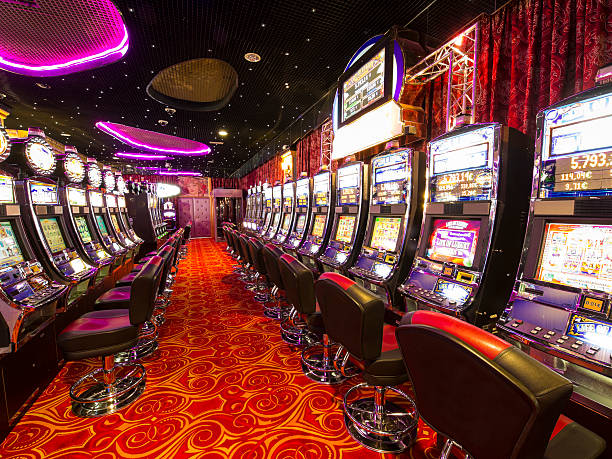
The design of casinos is meticulously planned to enhance the gambling experience. From the layout of the gaming floor to the strategic placement of machines and tables, every element is intended to keep players engaged. For instance, the absence of clocks and windows creates a disorienting environment, making it easy for gamblers to lose track of time and continue playing.
Furthermore, casinos often employ sensory stimulation—such as music, bright colors, and the sounds of chips clattering—to create an exhilarating atmosphere. This ambiance reinforces the idea that excitement and risk are integral to the gambling experience, encouraging players to take more significant chances as they become immersed in their surroundings.
Exploring Resources for Responsible Gambling
For individuals interested in understanding gambling behavior, it is essential to seek information and support. Resources available online can provide insights into the psychology of gambling, as well as tools to promote responsible gaming. Such resources help individuals recognize the risks and develop strategies to manage their gambling habits effectively.
At tcwn.org, users can find valuable information about gambling psychology and responsible gaming practices. Although the website is currently experiencing technical issues, it is dedicated to providing content that helps individuals understand their gambling tendencies and encourages safer gaming practices in the long run.